For over 8 amazing years, it has been an experience, a pleasure, and a journey to be a revivalist. I love all things retro and antique. Writing has been a passion of mine since middle school and throughout my professional career. For all those who are inspired to be vintage, challenge the norms in the name of tradition! We write for a better, more inspired tomorrow <3
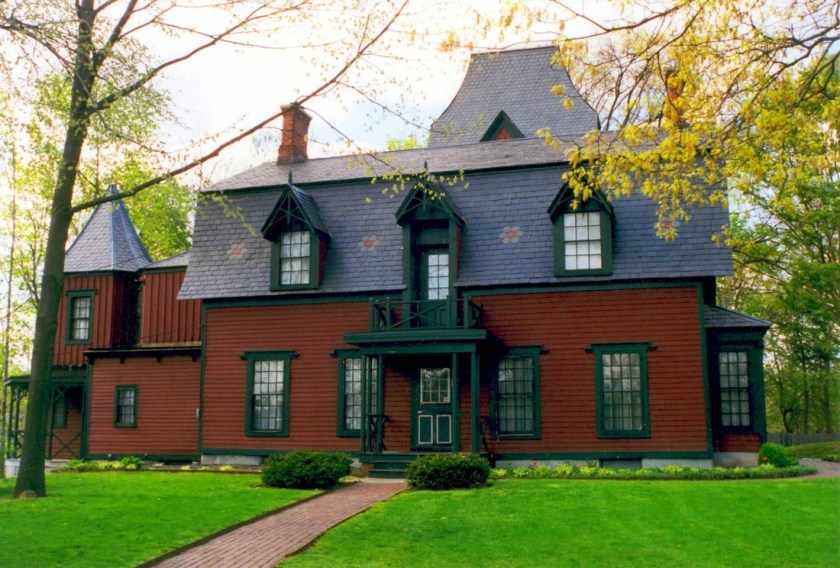
The RRBlog team was in Plainfield last month to observe how a historic preservation commission handles administration of awards to its community members. Instead, we got much, much more.
In addition to the awards being given out to Nancy Piwowar and M&M Investors that lovely Tuesday night, we got to observe how the commission handled a couple whose house was historically designated but wanted modifications. This is what we found:
The entire commission was not situated in a courtroom, but a ‘library’; this library was essentially an immaculately-preserved conference room with red carpet and a nice, long wooden table with chairs to match. The committeemembers would all sit down at the table and the presenting couple stood at the head with their materials to discuss. This gave the floor to the speakers without and superiority complex of the committeemembers being seated in a formal courtroom setting.
The ordinance mattered! These individuals not only cited their ordinances for preserved houses, but it appeared as if this was memorized and the individuals could offer knowledge to the couple that presented in a way that encouraged and informed the homeowners.
This commission was diverse. There were males and females of all different cultural backgrounds and cohorts; this allows for ideas to be circulated and to prevent ‘stasis’ from occuring within the chamber. It is always vital to avoid being stuck in a cycle of sameness so that new methods and meaningful dialogue can be reached.
During the meeting, there was discussion among the members about different components of the couple’s modifications. Discussion is the vehicle for compromise and efficient outcomes that meet the needs of both the homeowner and the chamber.
Most impressively, there was human spirit. Not only was the conversation cordial and oriented toward the homeowners, but there was encouragement and humor. The best quote all night was when the chairman expressed concern for the greater issue of the case citing that “We have a very strict anti-discrimination policy here. You (the homeowner) have mentioned that there is not one, but three man doors that you will be changing or modifying. We have to ask that you refer to them as people doors instead.” Well played, Plainfield. We all smiled ear-to-ear
The reason that I bring all this to the attention of our readers is that it was a surprisingly heart-wrenching experience. Sometimes it is easy to take advantage of these kindnesses; not every town has a cordial interactions with their HPC. Sadly, not everyone has an approachable commission. Some towns are crippling themselves with stasis in their commissions and gridlock themselves from real community engagement while others do this intentionally for a sense of control over their residents. Plainfield, if you are reading this, you are a model for excellence in our books for what a preservation commission should look like. We hope you are CONTAGIOUS!!!
This week in the Trials of Doris series, we are thrilled to announce that the latest piece of literature covering the Duke Estate’s story, The Duchess of South Somerville, has been nominated three times for the IPPY Awards 2018!
In the midst of all things retro, out antiquated antics summer series, and our 100th post; this comes as a humbling and exciting piece of news for the grassroots. While the mansion at the iconic Duke Estate was lost to the bulldozers hired by Duke Farms Foundation (it’s owner) and the parent charity, the Doris Duke Charitable Foundation in 2016, the story of the fight lives on as a testament to the original intent of Doris Duke. While it may seem like a lost battle, the IPPY-nominated book serves to chronicle the lesser-known chapters of history at the estate; memoirs of those whose lives were touched by the Dukes, former employees’ stories, and the efforts of the DORIS group have all been chronicled for the first and only time in this unique read.
What a celebration to be had for the staff and readers of Retro Revival Blog! This post is our 100th! In just two short years, we have come so far in our writing styles and content, experiences, and dedication to the retro community– Which is ever expanding!
We are so humbled and excited to say thank you to our readers as we take a moment to reflect on all the amazing things that RRBlog has given us over the last two years. You’re all so amazing!
We started with an apron, collected a best friend, ideas, adventures, and a box camera, and then embarked on the following of the trials of Doris- one of our most popular sections. Since then, we’ve made some amazing blogger friends, historian friends, and met some of the retro culture’s greatest advocates. Now that we’ve made it all this way, let’s talk about what’s coming up and what’s continuing to stay swell and dapper!
The Trials of Doris, as well as all our regularly scheduled columns, will continue as expected. Clicks Pics has been scaled down to a yearly review because of the rising costs of developing manual film. Some new things to look forward to is our collaborations with remarkably retro sites like https://inthevintagekitchen.com/ and https://www.retronaut.com/ as well as sponsorship from some generous darlings in the business!
If you have something you’d like RRBlog to look into, write about, or bring to the internet for a good talk over tea and biscuits, let us know in the comments section or on our facebook page at Facebook.com/RetroRevivalist or on Twitter @RetroRevivalist
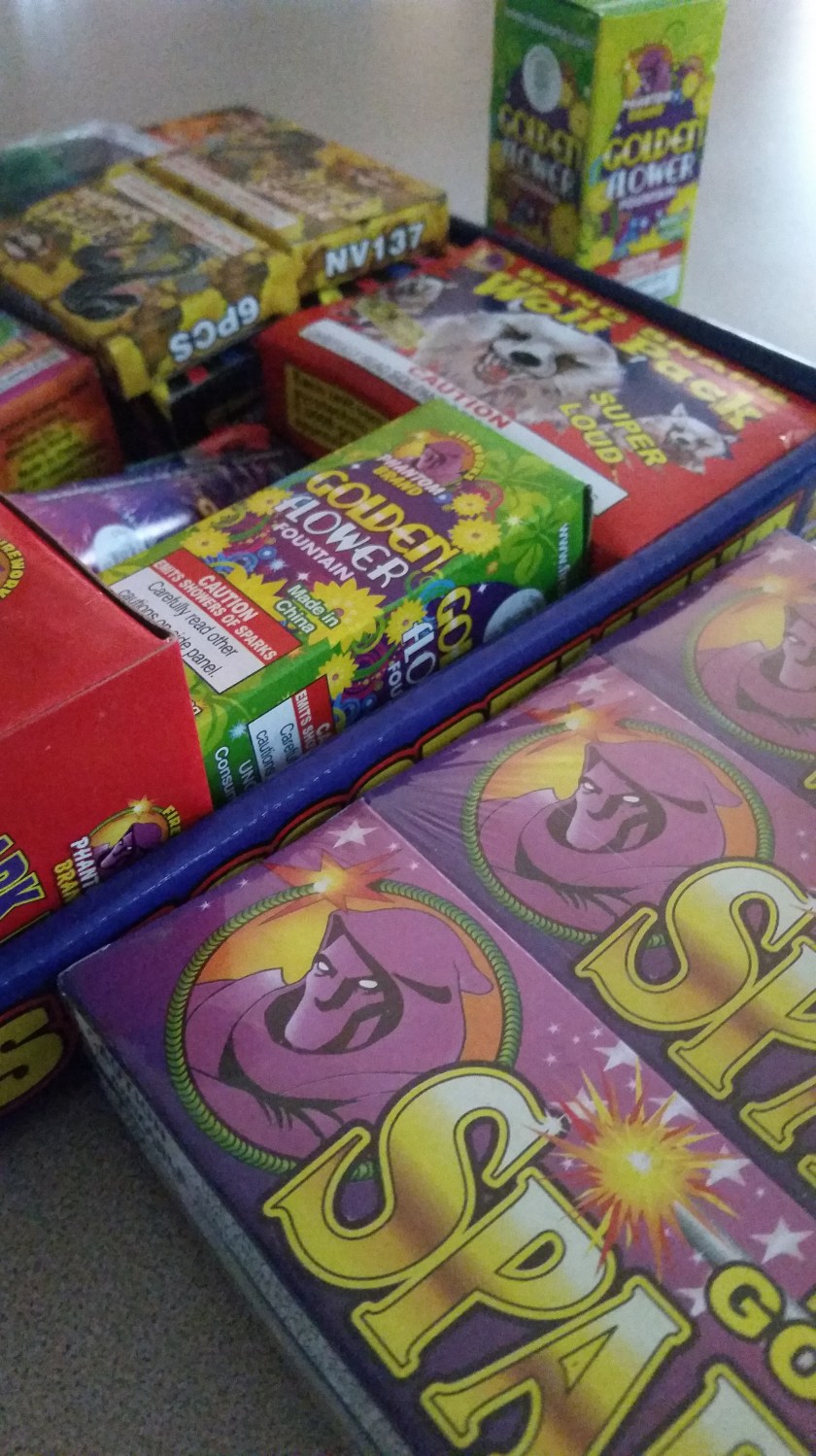
It is summer 2017 and this one is a summer to remember! Just before July 4th, two major political actions took place that changed the way we celebrate. The first pleasant bit of legislation passsed that allowed non-aerial fireworks to be bought and used across the state. (For confirmation of this change, please reference This Article). However, this was coupled with a total government shutdown that followed on Saturday the first of July- leaving state-run beaches and parks abandoned for the holiday weekend. My guess is that in order to avoid total disappointment, the already-spiking number of purchased fireworks in the state is going to double because thousands of families’ plans for this weekend are trashed. Thanks, government.
In the retro spirit of summer celebrations, there is much fun to be had at home; by the pool; or with friends, neighbors, and family. The resurgence of legal fireworks only makes this experience more unique. The last time that non-aerial fireworks were legal here was 1967. So let’s talk Fourth of July; the first round of official antics.
Harpie Lyn here. I had no reason to learn about the fireworks market or what types existed. So going in blind, I went over to Pennsylvania to gather some of the tiniest sparklers I could find that didn’t look menacing. Of course, when I arrive home, my mom has already found a grandiose assortment of fancy, dancing fireworks that dazzled and crackled. She 1-upped me at a local grocery store while I went out to another state to collect what I thought were rare treasures. She was so excited to share this tradition with her own kids and family that my mother almost forgot the groceries she had paid for. For the baby-boomer generation, this is a big deal and a serious wave of nostalgia. Fast forward:
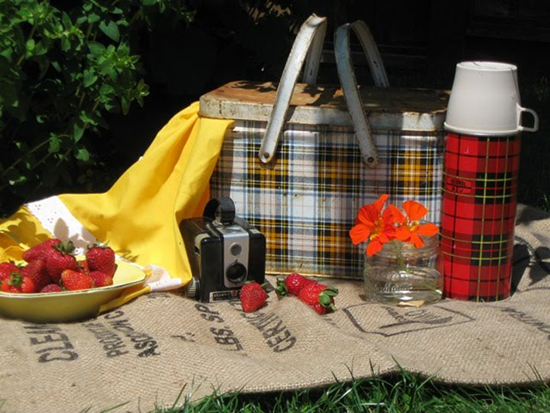
Fireworks themselves aren’t very patriotic. Patriotism is experienced more in respecting veterans and helping thy fellow American… In fact, fireworks are rather unpredictable, smelly, but overall pretty for the few seconds they last. Oh, and some will stain your driveway. For decades prior to the year 1967, sparklers were a staple of how Americans young and old participated in the festivities playfully. In reviewing other celebration methods, I found that fireworks are best coupled with smiling faces, coconut-crusted marshmallows, BBQ food, gingham tablecloths, and fireflies at night.
So are fireworks really worth the hype for your Americana celebration? Yes. If you’re reading this from New Jersey, there’s still time to collect a few NON-AERIAL only fireworks- only those that crackle on the ground- if you want to include them in your festivities. Remember safety precautions and stay curious! Happy fourth from us at RRBlog!
This season was the first of its kind that I found myself without papers to stress over or exams to press for. My dearest colleague and right-hand man, Manny, suggested that I use my new leisure experience to find fun stuff to pass the time. My inner blogger beckons, however… I had mission to find what activities people used to participate in during the solstice season, and these are my findings and what makes them classics.
In this series, Manny and I will report on antiquated funzies ranging from hobbyist herbal gardening, trying homemade recipes for ice cream and oddly-shaped jello desserts with the help of our friends at InTheVintageKitchen, picnicking (of course), attempting a game of croquet (did I even spell that right?), go boating, test out an arcade, try recently-legalized fireworks, and even work with Clicks, the RRBlog’s Kodak box camera. Whatever vintage pastime we can find will end up on our list.
With each new experience, we will do our best to document and discuss for you darlings. If you have a favorite memory from wayback that you’d like us to try out, post it on our facebook page at Facebook.com/retrorevivalist or in the comments section below! Be sure to tell your friends all about us!
This Tuesday is the celebration of another of New Jersey’s finest. Earlier this year, Nancy P. was recognized as the individual whose nomination to Preservation NJ made it onto the state’s 10 Most Endangered Historic Sites list. (Read more on this at the Trials of Doris link here: Article Reference)
Since then, her own projects included, the caliber and amount of work that Nancy has given to the preservation nation is being regarded highly with an award for service at the beautifully-preserved Drake House Museum in Plainfield NJ and her work in attempts to save Duke Mansion. Nancy has worked on projects that span across the two counties over the course of many years. Her memoirs of the grassroots DORIS group have been chronicled in the latest book on Doris Duke; The Duchess of South Somerville. Despite everything, it doesn’t seem like she will ever be dissuaded from challenging the odds.
She is a seasoned historian with a passion unparalleled to others.
Congratulations from all of us at the Retro Revival! Don’t ever stop being amazing.
In short, the cemetary in question, which is remarkably large in size, was responsible for removing memorial stones of acknowledgement from war veterans’ graves. Their defense for the act was that it was intended to clean up the property and remove any potential safety hazards that these memorial stones posed to visitors.
I would like to question this. How can a country whose veterans have often paid the ultimate price for our country be disrespected in their final resting place? How is this appropriate in the retro spirit of things? Even for those of our readers who are anti-war, those who have passed away in telling our story as a nation probably shouldn’t be defaced. Really, the dead shouldn’t be disrespected at all. In the ethics of yesteryear, shouldn’t it be acknowledged that these guys and gals shaped our history?
Yet we remove the last real memo of their services that they had. Morally, it’s not congruent with the sense of vintage values our website seeks to suggest (we aren’t pressuring your personal beliefs- that’s not what we are about). But it sure would be nice to show those before us that we are at least learning about their journeys and how they shaped our world.
So it captures the attention of us and our readers. What’s ever been vintage about forgetting the stories of others? Retro and vintage lifestyles preach the opposite. We will be following this story as it becomes clearer.
Somewhere in the depths of the internet, I remember reading about how someone compared their grandparents’ lifestyle choices to those of modern ‘green’, or eco-friendly living. Usually we at the RRBlog like to take summer as an opportunity to learn and research and experience new old things, like configuring Clicks the camera or traveling with our picnic basket… but this is too good to pass up.
So about this article… In the classic style of Harpie, I have no idea where it was and didn’t think to save it to a file. But here’s the basics: history’s economics have made goods that we take as commodities today the luxuries of yesteryear. Take for instance paper towels: these can be purchased very easily today in almost any store. Back in the 1940s, paper towels were not logical. It is too wasteful to have single-use towels in an average setting.
…So with the ideology in mind from this article, my mind wanders back to where I wander often: The Duke Estate. I envision a place where green living is taught and inspired by historical roots; a revival of sorts in its own league. Picture if you will, a place that is absolutely a nature sanctuary full of species rare and diverse of all kinds, that teaches all about renewable home resources and residential methods of growing foods and spices year round. This is a most exemplary location to teach these and other values like the pricelessness of cultural and artistic features in seamless fluidity with nature’s bounty.
Why is it important to work these parallels? Green living is one of the most powerful shifts that this society is experiencing right now. With the changing of political tides, especially in America, green living is really just a vehicle to illustrate the greater desires we have. I’ve said it dozens of times: our actions and wants reflect a deeper need for wholesome, traditional life (with some new twists). Some of us identify rather strongly with the retro culture already; that is, we actively seek out ways to live a life free of overconsumption or disposables. Others either reject these notions or want something entirely new; but this population might forget that recycling milk glasses and selling rags for cleaning were things of the past. Green may come with new inventions and technologies like wind turbines, but the notion of using things over and over again? Timeless.
The Duke Estate, which runs a similar message, ‘to be good stewards of the land’, should take notice of these parallels. They, of anyone, have the greatest potential to show how eco is antico! Grow pineapples and sell the rinds to the interesting artisans that make it into a new type of biodegradable and sustainable leather or host mid afternoon high society tea with tea leaves harvested in a greenhouse. Teach people the uniqueness of life in an era bygone. Highlight it in green. History may show up in black and white, but there were hints of green in every direction. Stay curious, darlings.
The retro roots of this season’s couture are spreading! It took me a much longer time to list the ways that this year’s finds match up with the classics, which is a good sign; it means my lists are getting longer. Let’s jump right into things.
This is another year of successful style revival, without a shadow of a doubt. One particular instance that supports the idea is my discovery of a darling boutique featured on News12 New Jersey this last week. Nestled cozily on the Asbury Park boardwalk is a hidden treasure called Bettie’s Bombshells. This shop specializes in gathering a gallery full of midcentury treats. From petticoats to purses, swimwear to special occasions, this small business will have a conversation piece especially for you. Not in New Jersey? That’s okay too! More and more vintage-inspired sellers are emerging from the woodwork. Topvintage.net for instance, offers shipping internationally on their wares in various styles that range from the 1920s through the late 1960s. (Author’s note: the currency exchange button is in the top right hand corner of the menu for those interested.)
Earlier this year, we also welcomed the Walt Disney spin on retro classics. The Dress Shop, located in Downtown Disney (Orlando) and scattered throughout other park locations internationally, opened to the public and offered a wide variety of Disney-inspired prints and looks; but here’s the scoop: Every item from The Dress Shop is designed to be retro. Click Here to see what The Dress Shop Offers!
Ironically, I always default search for that midcentury charm while out and about. Only after catching a sale email from Unique-Vintage.com did I realize that the flow of a maxi dress with a thousand flowers on it had its fair place in retro culture. These popular sundresses are a derivative of the earlier Bohemian/hippie styles of the mid-to-late 60s and some of the 1970s. Often characterized by unorthodox sleeves; slits and fitted cuffs are indicators of the hippies’ interests in risk taking and breaking the conservative attitudes of dress from the decades prior.
No matter what your style is, be sure to take a gander at the colorful lineup for this summer’s big themes: patterns, brights, and fun flavors of vintage couture gone mainstream yet again. So raise a pineapple and join in the retro movement! Cheers until August, darlings! I’m off to find more to report on!
This week marks an excellent award for the DORIS group’s ongoing efforts to bring a historical and cultural homage component back to the beautiful, timeless Duke Farms Estate in Hillsborough NJ.
Nancy Piwowar, a devoted member of DORIS and a historian in her own right, has attempted for several years to nominate the Trumbauer-Abele Greenhouse structure on the property for New Jersey’s 10 Most Endangered Historic Structures. This year, she was successful and attended the announcements at the State House in Trenton on Thursday, May 18th.
Piwowar was also a memoir contributor to the independently-published success, The Duchess of South Somerville. Her contributions to the DORIS group and the subsequently published book have been able to shape the stories of how the Duke family has continued to influence generations of people, even after their unfortunate passings. She has been with the group for years.
Horace Trumbauer (Click here for full bio) was one of the greatest architects of the 19th and 20th century in America. His work, based out of Philadelphia was considered masterful, which resulted in many of his creations being preserved for future generations. He hired a gentleman named Julian Abele (Click here for background) who would later create the campus landscape at Duke University. Abele was one of the first and arguably the most profound African American architect there has ever been. Due to the year that he began working under Trumbauer, evidence suggests that his signatures in design reflect the construction of the Greenhouse complex at Duke Farms.
The Trumbauer-Abele Greenhouse structure was initially constructed in 1909 by James Buchanan ‘Buck’ Duke as a way to produce fruits and vegetables for his family and staff on the property. Luxuries like oranges and watermelons were cultivated year-round. In 1917, the greenhouses experienced their first major additions, which accomodated more plants and more employees. Later on, Buck’s daughter Doris (‘The Richest Girl in the World’) decided to pay respect to her father’s love of nature by recreating the interior of the structure in 1958.
For 6 years, the interior was designed and grown into the iconic, award-winning Garden of Nations, also known as Duke Gardens. This wholly separate foundation was responsible for opening its doors to the publicly-accessible series of internationally-inspired gardens to fascinate its visitors for years until its closure by the Duke Farms Foundation in 2008. The garden complex and foundation located on the property of Duke Farms was also responsible for selling plants to visitors and offering events like easter egg hunts for children on a yearly basis.
Garden of Nations
Wood Rot (This Gallery is owned by RetroRevival)
Horace Trumbauer’s work being sentenced to decay
The Garden of Nations, and the Duke Insignia
Where’er a rose blooms
In 2008, the argument for its permanent closure was defined by the executive director, “The era of display gardens is over”, despite its annual yield of over 100,000 visitors. No plants have been sold since in an attempt to create an environmentally-friendly property. In a recent printed article in the Star Ledger (5/17/17), executive director Michael Catania states that restoration and reuse for the complex will begin “in a few years”. In the same article, a representative from Preservation New Jersey (the organization that recognizes the 10 most endangered each year) stated that the selection of the greenhouses for this recognition was, “A no-brainer”. Since 2008, the structure has suffered severe decay: chipped paint, extensive wood rot, and multiple broken panes of plexiglass compliment the missing French garden wing that was identifiable by its encompassing green trellises. (Author’s note: the French Garden was almost entirely destroyed by Hurricane Sandy in 2012 and was not restored.) A few more years may yield another demolished structure on the estate that could cost too much money to restore (sound familiar yet?). This state of disrepair was the very reason that the Dukes’ own home was deemed unpreservable by the property’s overseers. The display gardens once housed in these greenhouses can be considered the most visible depiction of the beauty and value of Duke’s vision for inspiring others through nature’s wonders. Is it really being maintained? Will the proprietors of this space allow enough decay to occur to make the building irreparable?
The Doris Duke insignia still perches atop the front entryway, which has lost some roofing (replaced with rotting plywood, est. 2015), hopeful that someday the complex welcomes guests again. As of now, the only publicized use for the structure is partial, with only a segment of the overall greenhouse complex still active for propagating seeds for neighboring farms leased through Duke Farms. Several decaying or partly-living plants linger behind the glass curtains. Fragments of window panels, which were transitioned to plexi-glass decades ago, lay strewn about the edges of it’s stately façade, with its rampant wood rot complimenting what shadows remain of a once-lush indoor paradise.
The future is still hopeful for this amazing, unique, and signature of Trumbauer and Abele’s. The overall integrity of the structure is uncompromised yet: it can be saved! With a little love and attention to restoration and some impetus for change, this greenhouse would be perfect to teach guests about orchid care, residential greenhouses, and the values of biodiversity (just examples, the imagination is limitless) and more!
Due to the recent history at Duke Farms, it is difficult to speculate whether or not a historic nomination will be sent in for the greenhouses. The strict adherence to a mission statement of environmental stewardship may overpower any protective status the staff could seek for its buildings. Perhaps help, support, or encouragement will help save the historically significant Trumbauer-Abele Greenhouses: featured as a staple of the Duke Farms lifestyle- which has how spanned more than 100 years.
(Photos courtesy of gardensvisit.com & RRBlog)
***More on Abele, courtesy of newyorksocialdiary.com: “There is uncertainty and just a little fear on that handsome face. Being black in racist turn-of-the-century America, he very probably felt both, even in Trumbauer’s world of rich and cultured clients. Abele took credit for the design of only one building during his entire career, the Duke Chapel in Durham, NC.
He never made the claim himself, but the Wildenstein Gallery on East 64th Street is generally attributed to him as well. Trumbauer spotted Abele in 1902 when he was fresh out of the University of Pennsylvania’s architectural school. Abele was not only its first black graduate, but also the president of the university’s Architectural Society.
Trumbauer subsequently underwrote three years of study in Paris for Abele. In point of fact, Abele did a great deal of Trumbauer’s heavy lifting. When the Depression hit and business collapsed, Trumbauer descended into alcoholism. After his death in 1938, it was Abele who kept the firm alive.”





 Retro Curious Rebellious: The Revival